











東京大学ヒューマニティーズセンター(HMC)第148回オープンセミナー:Tam Ngo講演会:Who travel ten thousands of miles?: Gender and Spiritual Dimensions in War Dead Accounting in Post-war Vietnam"(2026年7月30日(木)10:30〜12:30、本郷キャンパス法文1号館・文学部115教室+Zoom)※要申し込み
 Tweet
Tweet
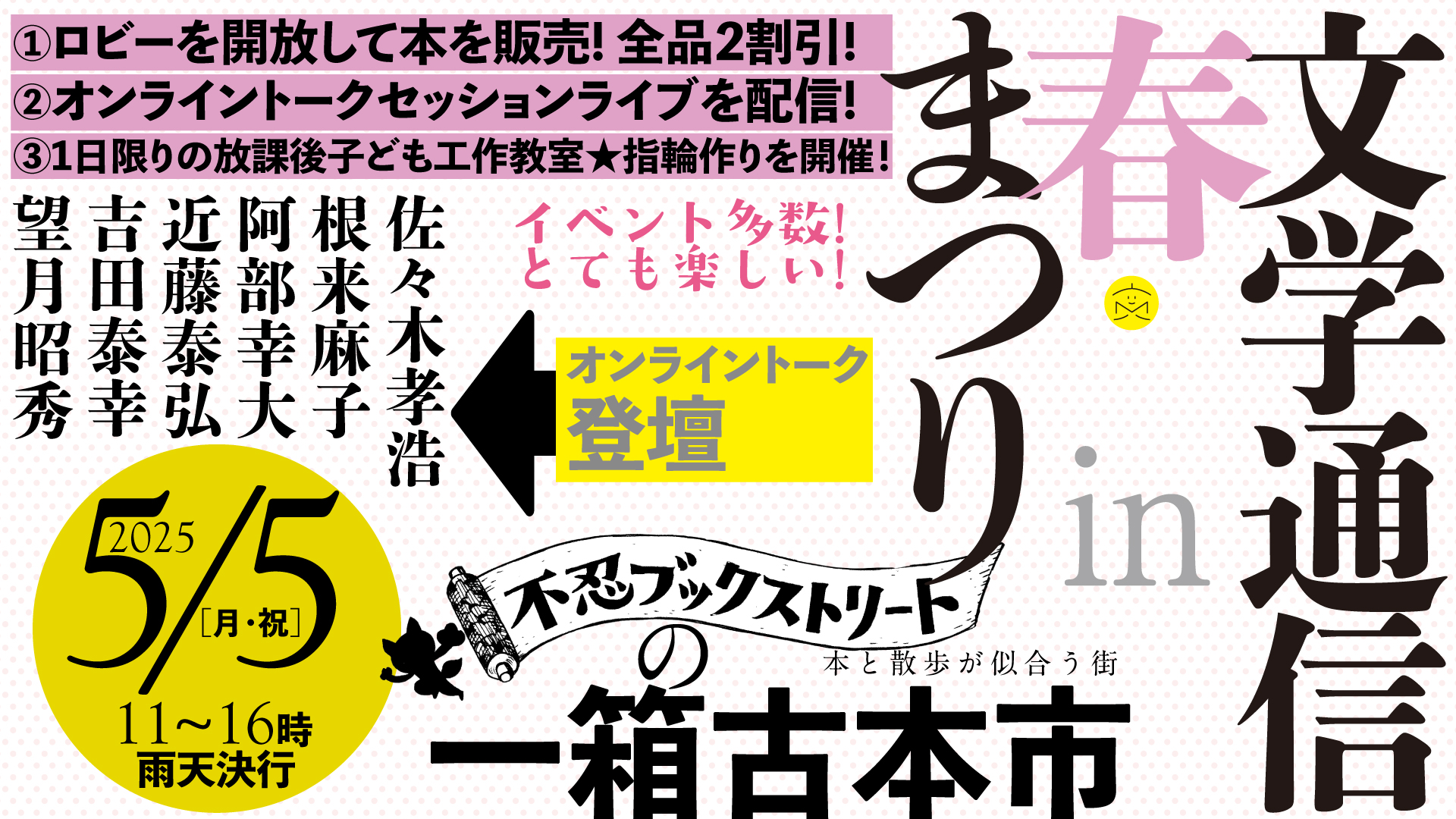
講演会情報です。
●公式サイトはこちら
https://hmc.u-tokyo.ac.jp/ja/open-seminar/2026/148-gender-spiritual-dimensions/
--------------------
※詳細は上記サイトをご確認ください。
日時:2026年7月30日(木)10:30 - 12:30
開催形式:ハイブリッド開催(東京大学本郷キャンパス法文1号館・文学部115教室/Zoomオンライン配信 )
参加登録(7/28火〆切)
講師:Tâm T. T. Ngô (Senior Researcher & Associate Professor, NIOD)
コメンテーター:菅原一花(東京大学大学院人文社会系研究科博士課程・宗教学宗教史学)
言語:英語
主催:東京大学ヒューマニティーズセンター・起点研究「戦争記念/平和祈念をめぐる比較動態論的研究ネットワークの構築と展開」(西村明・東京大学大学院人文社会系研究科・教授)
共催:科研費基盤研究B(26K00254)「ヴァナキュラー文化研究の深化と展開―グローバルな民俗学的転回に呼応する―」(研究代表者:菅豊・東京大学東洋文化研究所・教授)
概要
In the last four decades, nearly the entire Vietnamese population has been mobilized to find, identify, and commemorate hundreds of thousands of war dead in Vietnam. While the public face of this mass mobilization is predominantly male, the driving force behind this work of war accounting and memory making is largely female. Millions of Vietnamese mothers, sisters, wives, and daughters not only have been waiting, grieving, and mourning, but also actively searching for their sons, brothers, husbands, and fathers who did not return when the wars ended. While DNA-based identification is the only method of accounting approved by the state today, communication with the spirits of the dead remains the common method for families in their search for the missing dead. In this presentation, I will suggest that gender and spirituality are important dimensions of war dead accounting processes in Vietnam. These processes go beyond the necro-political obligations and responsibilities that connect the state and its citizens. They are primarily about the necro-social relations that characterize Vietnamese society after a century of violence and destruction. In these social relations of the living and the dead, Vietnamese women shoulder the heavier and more intimate emotional and spiritual burden that goes often unacknowledged. While DNA forensic science requires time and enormous effort to ascertain results, every culturally informed, spiritually led, informal practice--that I have given the name vernacular forensics in my writing--involves an equal amount of labor with the same goal: locating, and "accounting" for the missing loved ones.
過去40年間、ベトナムでは戦死者の遺体発見・身元確認・追悼のため国民が広く動員されてきた。その活動の主体は表向き男性だが、実際の原動力は女性たちである。母・姉妹・妻・娘たちは、帰らなかった肉親を能動的に探し続けてきた。国家が認める身元確認手段はDNA鑑定のみだが、家族にとって死者の霊との対話も依然として一般的な方法である。本発表は、ジェンダーとスピリチュアリティがベトナムの戦没者処理の重要な側面をなすことを論じる。これらのプロセスは国家と市民を結ぶ「ネクロポリティカル」な義務を超え、1世紀にわたる暴力を経て形成された「ネクロソーシャル」な生死の関係に関わるものである。女性たちはその関係において、見過ごされがちな重く親密な感情的・精神的負担を担っている。DNA鑑定と同様に、著者が「ヴァナキュラーな法医学」と呼ぶ精神性に根ざした非公式な慣行もまた、行方不明者の身元確認という同じ目標に向けて相応の労力を要するものである。